Best Sleep Tracking Devices in 2026
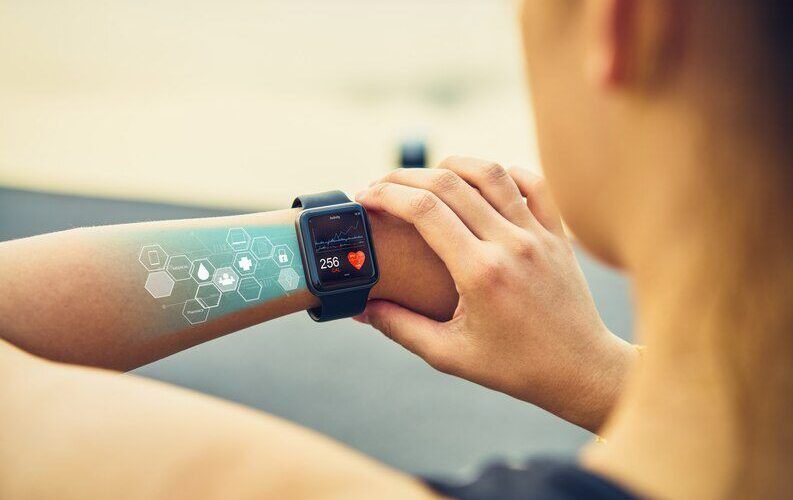
Sleep is now recognized as one of the most important pillars of health, alongside nutrition and exercise. In 2026, sleep-tracking devices have become smarter, more accurate, and more practical than ever before. What once felt like novelty gadgets now play a real role in understanding recovery, stress, cardiovascular health, and long-term wellness.
Today’s best sleep trackers can monitor sleep stages, heart rate variability, breathing patterns, temperature changes, snoring, and nightly disturbances. They also provide personalized insights powered by on-device artificial intelligence, helping users improve sleep habits without overwhelming them with raw data.
This article explores the best sleep tracking devices in 2026, explains how the technology works, compares different device types, and helps you choose the right tracker based on your lifestyle and goals.
Why sleep tracking matters more than ever
Modern life is increasingly hostile to good sleep. Late-night screen use, irregular schedules, stress, caffeine, and reduced physical activity all interfere with natural sleep cycles. Chronic poor sleep is now strongly associated with:
- Reduced cognitive performance
- Weakened immune function
- Increased risk of cardiovascular disease
- Hormonal imbalance and weight gain
- Mental health challenges such as anxiety and depression
Sleep tracking does not replace medical diagnosis, but it helps identify patterns that would otherwise go unnoticed. In 2026, the focus has shifted away from “sleep scores” alone and toward long-term trends, recovery metrics, and actionable insights.
What’s new in sleep tracking technology in 2026
1. Smarter on-device AI
Many sleep trackers now process data directly on the device instead of sending raw data to cloud servers. This improves privacy, speeds up insights, and allows features like offline sleep analysis and smart alarms that adapt in real time.
2. Improved sleep stage accuracy
Manufacturers refined algorithms in 2024–2025 to better detect brief awakenings and transitions between light, deep, and REM sleep. As a result, sleep data in 2026 is more realistic, even if it sometimes shows more fragmented sleep than older devices.
3. Better respiratory and snoring detection
Under-mattress sensors and advanced wearables are increasingly capable of identifying breathing irregularities, snoring events, and sleep-disordered breathing patterns. These features are now widely used as screening tools, not diagnoses.
4. Longer battery life
Battery improvements mean many devices now last several nights—or even a full week—on a single charge, making nightly tracking far more consistent.
What sleep trackers can measure accurately
In 2026, most high-quality sleep trackers do well in the following areas:
- Total sleep time
- Sleep onset and wake time
- Sleep fragmentation and awakenings
- Resting heart rate trends
- Heart rate variability (HRV)
- Body temperature deviations
Accuracy is highest when looking at patterns over weeks, not individual nights.
What they still struggle with
- Clinical-grade sleep staging comparable to EEG-based lab studies
- Diagnosing sleep disorders on their own
- Perfect agreement between different brands
Sleep trackers should be viewed as personal monitoring tools, not medical devices unless explicitly approved for clinical use.
Types of sleep tracking devices (and who they’re for)
1. Smart rings — best for comfort and consistency
Smart rings are among the most popular sleep trackers in 2026. They are lightweight, discreet, and easy to forget while sleeping, which leads to excellent long-term compliance.
What they track well:
- Heart rate and HRV
- Skin temperature trends
- Sleep stages
- Nightly movement
Who they’re best for:
- People who dislike wearing watches to bed
- Users focused on recovery and trends
- Those who want minimal interruption
Limitations:
- Less detailed breathing data
- Not ideal for snoring or apnea detection
2. Wrist watches and fitness bands — best all-in-one option
Wrist-based trackers remain popular because they combine sleep tracking with daytime activity, notifications, and health monitoring.
Strengths:
- Convenient all-day use
- Visual sleep summaries on the device
- Integration with phone ecosystems
Best for:
- Users who want one device for day and night
- People tracking sleep alongside exercise and activity
Limitations:
- Can feel bulky during sleep
- Sensor accuracy depends on fit and wrist movement
3. Chest straps and recovery bands — best for athletes
Some trackers focus heavily on recovery and performance rather than casual sleep insights. These devices are worn continuously and emphasize HRV, training load, and readiness.
Strengths:
- Excellent HRV accuracy
- Strong correlation between training and sleep
- Detailed recovery recommendations
Best for:
- Athletes and fitness enthusiasts
- Users with structured training programs
Limitations:
- Subscription costs
- More intrusive continuous wear
4. Under-mattress sleep sensors — best for non-wearable tracking
Under-mattress sleep trackers sit beneath the mattress and measure micro-movements, breathing, heart rhythm proxies, and snoring.
Strengths:
- No wearable required
- Strong respiratory monitoring
- Ideal for sleep apnea screening
Best for:
- People who refuse wearables
- Those concerned about breathing or snoring
- Couples (single device per bed side)
Limitations:
- Cannot track naps away from bed
- Performance varies by mattress type
5. Sleep earbuds and bedside devices — best for noise management
Sleep-focused earbuds are designed to block noise, play calming audio, and sometimes track sleep using movement and sound.
Strengths:
- Excellent for noisy environments
- Guided sleep and smart alarms
Best for:
- Light sleepers
- Urban environments
Limitations:
- Battery life
- Comfort for side sleepers
Key features to look for in 2026
Sleep stages and awakenings
Look for devices that show not just stages, but also how often and why you wake up.
Heart rate variability (HRV)
HRV is one of the most valuable sleep metrics. It reflects recovery, stress, and nervous system balance.
Temperature trends
Nighttime temperature deviations can signal illness, hormonal changes, or overtraining.
Respiratory signals
If snoring or breathing issues are a concern, choose a tracker with strong respiratory monitoring.
Coaching vs raw data
Some devices focus on coaching and recommendations, others on detailed metrics. Choose what matches your personality.
Privacy and data security in 2026
Sleep data is deeply personal. In 2026, the best sleep trackers offer:
- On-device processing where possible
- Clear data deletion options
- Data export for personal records
- Opt-in research programs
Before buying, confirm that you control your data and that sharing is optional.
How to choose the right sleep tracker for you
Ask yourself these questions:
- Will I actually wear this every night?
Comfort matters more than specs. - Do I want insights or raw data?
Coaching helps some people; others prefer full control. - Is snoring or breathing a concern?
Choose a mattress sensor or advanced respiratory tracker. - Do I train regularly?
Recovery-focused devices may provide more value. - Do I care about privacy?
Favor devices with on-device analysis and transparent policies.
Common mistakes to avoid
- Obsessing over single-night results
- Comparing sleep scores across brands
- Ignoring how you actually feel
- Assuming trackers replace medical care
Sleep tracking is most powerful when combined with awareness, consistency, and common sense.
Tips to improve sleep tracking accuracy
- Wear devices as recommended
- Charge devices during the day
- Keep consistent bedtimes
- Allow 1–2 weeks for baseline learning
- Track trends, not perfection
Final verdict
In 2026, sleep-tracking devices are more accurate, private, and helpful than ever. Whether you choose a smart ring, a watch, a recovery band, or a mattress sensor, the best device is the one you’ll use consistently.
For most people:
- Smart rings offer the best balance of comfort and insight
- Wrist trackers provide all-day utility with solid sleep data
- Under-mattress sensors are ideal for breathing and snoring concerns
Sleep tracking should empower you—not stress you. Used wisely, it can reveal patterns, improve recovery, and help you make better decisions about rest, lifestyle, and health.
ALSO READ: Review of Higher Education Funding Models