Review of Keto, Vegan & Paleo Trends
Diet trends often reflect deeper social, scientific, and economic shifts. Over the last decade, keto, vegan, and paleo diets have evolved from fringe movements into influential lifestyle choices shaping food markets, healthcare discussions, and consumer behavior. By 2025, these three dietary approaches coexist in a mature, competitive landscape where evidence, personalization, and sustainability matter more than hype.
This review examines how keto, vegan, and paleo diets compare today—looking at health outcomes, market trends, environmental impact, and where each approach is heading.
Overview of the Three Diets
Ketogenic (Keto) Diet
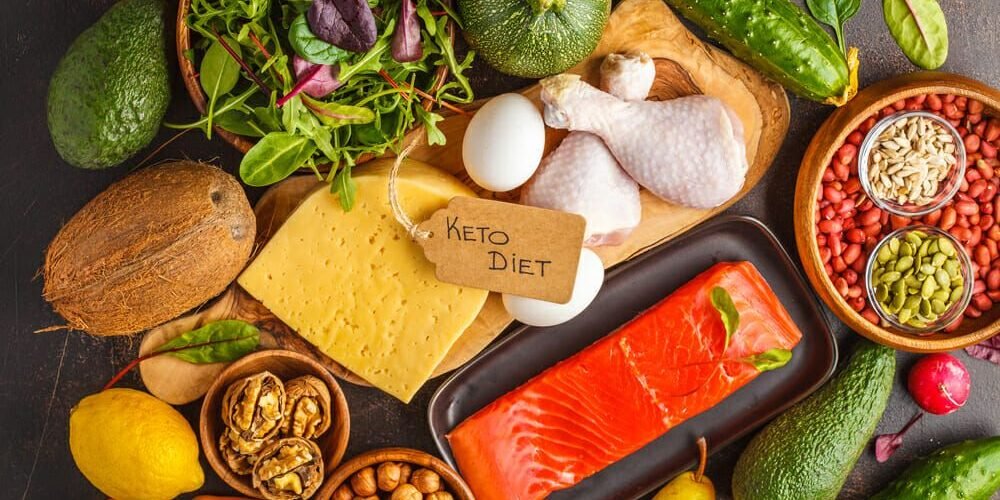
The keto diet focuses on very low carbohydrate intake, moderate protein, and high fat. The goal is to shift the body into ketosis, where fat becomes the primary energy source instead of glucose.
Vegan Diet
A vegan diet excludes all animal-derived foods, emphasizing plant-based eating. Motivations range from health and ethics to environmental sustainability.
Paleo Diet
The paleo diet emphasizes foods presumed to be eaten by early humans: meat, fish, fruits, vegetables, nuts, and seeds, while excluding grains, legumes, dairy, and processed foods.
Each diet reflects a different philosophy of health and nutrition.
Market Growth and Popularity in 2025
Keto Market Trends
The keto market continues to grow steadily, supported by demand for:
- Low-carb snacks and meal replacements
- Keto-friendly baked goods
- Supplements and functional fats
Keto’s popularity remains strong among consumers focused on weight loss, blood sugar control, and performance-based nutrition.
Vegan and Plant-Based Market Trends
The plant-based food sector is one of the largest diet-driven markets globally.
Key trends include:
- Growth in whole-food plant products
- Decline in heavily processed meat substitutes in some regions
- Expansion of plant-based dairy alternatives
Veganism increasingly overlaps with flexitarian eating, where consumers reduce animal products without full elimination.
Paleo Market Trends
Paleo has stabilized as a lifestyle-focused diet rather than a fast-growing trend.
Growth drivers include:
- Interest in clean-label foods
- Demand for grain-free products
- Focus on minimally processed ingredients
Paleo consumers often value ingredient transparency over strict adherence.
Health Effects: What the Evidence Suggests
Keto Diet and Health
Keto is effective for short-term weight loss and improving blood glucose levels in many individuals. It shows promise for managing metabolic conditions when medically supervised.
However:
- Long-term adherence is difficult
- Some people experience increased cholesterol levels
- Nutrient gaps may occur without careful planning
Keto works best as a targeted or time-bound intervention rather than a universal long-term diet.
Vegan Diet and Health
Well-planned vegan diets are associated with:
- Lower risk of heart disease
- Improved cholesterol profiles
- Better long-term weight management
Key considerations include ensuring adequate intake of:
- Vitamin B12
- Iron
- Omega-3 fatty acids
- Complete protein
Whole-food vegan diets show the strongest health benefits compared to highly processed plant-based foods.
Paleo Diet and Health
Paleo diets often lead to improved diet quality because they:
- Eliminate refined sugars
- Reduce ultra-processed foods
- Emphasize vegetables and protein
However, eliminating whole grains and legumes can reduce fiber intake. The health benefits largely depend on food quality and balance, not strict rules.
Weight Loss and Metabolic Outcomes
- Keto often produces the fastest initial weight loss
- Vegan diets support gradual, sustainable weight loss
- Paleo diets fall between the two, especially when calorie intake is controlled
Long-term success depends more on consistency than diet type.
Environmental and Sustainability Impact
Keto and Paleo
These diets often rely heavily on animal-based foods, which generally:
- Require more land and water
- Produce higher greenhouse gas emissions
Sustainability improves when followers choose:
- Smaller portions of animal products
- Ethically sourced and local options
Vegan Diet
Plant-based diets typically have the lowest environmental footprint.
Benefits include:
- Reduced emissions
- Lower resource use
- Greater scalability for global food security
However, sustainability depends on reducing food waste and limiting ultra-processed products.
Consumer Behavior and Adherence
Diet adherence is a key determinant of success.
Observed patterns:
- Keto has high short-term adherence, lower long-term consistency
- Vegan diets show strong adherence among ethically motivated users
- Paleo followers often adapt the diet rather than follow strict rules
Many consumers now adopt hybrid approaches, combining elements of multiple diets.
Product Innovation and Food Industry Response
Keto Products
- Improved taste and texture of low-carb foods
- Growth in ready-to-eat options
- Increased focus on clean ingredients
Vegan Products
- Shift toward whole-food plant proteins
- Fermentation-based innovation
- Culinary-driven plant dishes
Paleo Products
- Grain-free baking and snacks
- Simple ingredient lists
- Emphasis on traditional preparation methods
The industry increasingly markets flexible lifestyle eating, not rigid diets.
Media Influence and Misinformation
Each diet faces challenges:
- Keto is often oversold as a cure-all
- Veganism is sometimes portrayed as nutritionally incomplete
- Paleo is criticized for oversimplifying ancestral diets
Balanced, evidence-based education is increasingly important.
Clinical and Policy Perspectives
Healthcare professionals now emphasize:
- Personalized nutrition
- Monitoring health markers
- Avoiding extreme restrictions without guidance
Public health policies generally support plant-forward eating patterns for population-level benefits.
Cultural and Social Dimensions
Diet trends influence identity and community:
- Keto aligns with performance and self-optimization culture
- Veganism connects to ethics and activism
- Paleo appeals to simplicity and natural living
Social motivation strongly affects long-term adherence.
Future Outlook
Looking ahead:
- Personalized diets will replace one-size-fits-all approaches
- Hybrid diets will dominate consumer behavior
- Sustainability will increasingly influence food choices
- Technology will guide individualized nutrition plans
The distinction between keto, vegan, and paleo will blur as consumers prioritize outcomes over labels.
Choosing the Right Diet
The best diet depends on:
- Health goals
- Ethical values
- Lifestyle and budget
- Ability to maintain consistency
No diet is universally superior.
Final Thoughts
Keto, vegan, and paleo diets each offer valuable insights into human nutrition. Keto highlights metabolic flexibility, veganism emphasizes sustainability and long-term health, and paleo reminds us of the benefits of whole, minimally processed foods.
In 2025, the most successful approach is not strict adherence to one trend, but thoughtful integration—choosing nutrient-dense foods, minimizing processing, and aligning eating habits with personal health and values.
Diet trends will continue to evolve.
Healthy eating, however, remains timeless.
ALSO READ: Review of the Latest Indian Crime Thriller Web Series