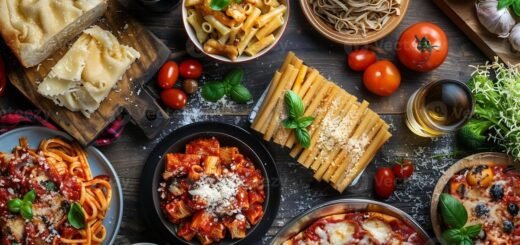
Review of Italian Regional Cuisines

Italian cuisine is often spoken of as a single, unified tradition, but in reality it is a mosaic of deeply regional food cultures. Each Italian region has its own ingredients, techniques, and culinary philosophy shaped by geography, climate, history, and local identity. From butter-rich Alpine dishes in the north to olive-oil-based seafood feasts in the south, Italian cuisine is less a national recipe book and more a collection of fiercely protected local traditions.
In recent years, renewed global interest in regional authenticity, protected food designations, and traditional diets has brought Italian regional cuisines into sharper focus. This article offers a detailed review of Italy’s major regional cuisines, examines how they differ, and highlights why they remain culturally and economically significant today.
The Structure of Italian Regional Cuisine
Italy is divided into 20 regions, each with distinctive culinary identities. Unlike many countries, Italy unified politically relatively late, allowing regional food traditions to develop independently for centuries. As a result:
- Ingredients vary dramatically from region to region
- Cooking fats shift from butter to lard to olive oil
- Pasta shapes and sauces change every few kilometers
- Local products often carry protected geographic status
Recent food heritage data shows Italy has the highest number of protected food products in Europe, reinforcing how central regional cuisine is to national identity and tourism.
Northern Italy: Rich, Refined, and Influenced by Europe
Piedmont
Piedmontese cuisine reflects its proximity to France and the Alps. It is known for elegance, depth, and luxury ingredients.
Signature elements include:
- Butter-based sauces
- Risotto and egg-rich pasta
- White truffles from Alba
- Braised meats cooked in wine
Dishes such as vitello tonnato and brasato al Barolo showcase a balance of richness and restraint. Piedmont remains one of Italy’s most influential culinary regions for fine dining.
Lombardy
Lombardy’s cuisine is hearty and comforting, shaped by agriculture and dairy farming.
Key features:
- Rice-based dishes, especially risotto
- Abundant use of butter and cheese
- Slow-cooked meats
Risotto alla Milanese, colored with saffron, remains one of Italy’s most iconic dishes. Recent culinary surveys show risotto remains among the most consumed traditional dishes in northern Italy.
Veneto
Venetian cuisine balances land and sea influences.
Highlights include:
- Seafood from the Adriatic
- Polenta as a staple
- Sweet-and-sour flavor profiles
Dishes such as sarde in saor and baccalà mantecato reflect Venice’s trading history and preference for preservation techniques.
Emilia-Romagna: Italy’s Culinary Heartland
Often called Italy’s gastronomic core, Emilia-Romagna is famous for products known worldwide.
Key characteristics:
- Fresh egg pasta
- Cured meats
- Long-aged cheeses
Iconic foods include:
- Parmigiano Reggiano
- Prosciutto di Parma
- Balsamic vinegar of Modena
- Tagliatelle al ragù (commonly misnamed abroad)
This region consistently ranks highest in food tourism metrics and culinary exports.
Central Italy: Simplicity, Balance, and Tradition
Tuscany
Tuscan cuisine is defined by simplicity and respect for ingredients.
Core elements:
- Olive oil as the primary fat
- Bread-based dishes
- Grilled meats
Dishes such as ribollita, pappa al pomodoro, and bistecca alla fiorentina reflect a philosophy of minimal intervention. Tuscan food aligns closely with the Mediterranean diet, which continues to be associated with positive health outcomes.
Lazio
Roman cuisine is bold, direct, and rooted in everyday life.
Key traits:
- Few ingredients, strong flavors
- Pork and sheep’s milk cheese
- Pasta-focused dishes
Classic Roman pastas (cacio e pepe, amatriciana, carbonara) rely on technique rather than complexity. Recent culinary data shows Roman pasta dishes are among the most replicated Italian foods globally.
Umbria
Often called the “green heart” of Italy, Umbria’s cuisine is rustic and earthy.
Features include:
- Truffles
- Lentils and legumes
- Game meats
The region’s food remains less commercialized, preserving strong local identity and seasonality.
Southern Italy: Bold Flavors and Mediterranean Roots
Campania
Campania’s cuisine is one of the most influential globally.
Defining elements:
- Tomatoes grown in volcanic soil
- Mozzarella di bufala
- Seafood and simple pasta
Naples is the birthplace of pizza, and pizza consumption worldwide continues to rise annually. Campanian cuisine demonstrates how regional food can achieve global reach without losing identity.
Apulia (Puglia)
Apulian cuisine is vegetable-forward and shaped by peasant traditions.
Key components:
- Olive oil production
- Durum wheat pasta
- Raw and cooked vegetables
Orecchiette pasta and bread made from local wheat reflect the region’s agricultural heritage. Modern dietary studies increasingly highlight Apulia’s cuisine as exemplary of sustainable eating.
Calabria
Calabrian food is spicy, intense, and unapologetic.
Characteristics:
- Chili peppers
- Preserved meats
- Strong cheeses
Products like ’nduja have seen growing international demand, driven by interest in bold regional flavors.
Sicily
Sicilian cuisine is a tapestry of civilizations.
Influences include:
- Arab (spices, sweets, citrus)
- Greek (grains, olives)
- Spanish (tomatoes, chocolate)
Signature dishes:
- Caponata
- Arancini
- Cannoli
Sicily’s cuisine reflects centuries of cultural exchange, making it one of Italy’s most diverse regional food traditions.
Sardinia: A Cuisine Apart
Sardinian cuisine stands apart due to geographic isolation.
Defining traits:
- Sheep’s milk cheeses
- Flatbreads like pane carasau
- Roasted meats
Traditional Sardinian diets have been studied for longevity patterns, reinforcing global interest in regional eating habits.
Pasta, Shapes, and Regional Identity
Italy has over 300 documented pasta shapes, most tied to specific regions.
Examples:
- Orecchiette (Apulia)
- Trofie (Liguria)
- Pici (Tuscany)
- Busiate (Sicily)
Recent food industry data shows regional pasta shapes gaining popularity over generic forms, driven by consumer demand for authenticity.
Ingredients and Protected Foods
Italy leads Europe in protected food products:
- Cheeses
- Cured meats
- Olive oils
- Wines
These protections support rural economies and preserve traditional methods. Demand for certified regional products continues to grow in export markets.
Modern Trends Shaping Regional Cuisine
Revival of Tradition
Young chefs increasingly return to regional roots, focusing on:
- Forgotten recipes
- Local suppliers
- Seasonal menus
Sustainability
Regional Italian cuisines naturally emphasize:
- Local sourcing
- Minimal waste
- Plant-forward meals
These practices align with modern sustainability goals.
Globalization with Integrity
While Italian food is global, regional specificity is becoming more valued than generic “Italian” branding.
Cultural and Economic Impact
Regional cuisines are central to:
- Tourism growth
- Cultural preservation
- Agricultural sustainability
Food tourism data shows travelers increasingly choose destinations based on local culinary identity rather than generalized cuisine.
Why Italian Regional Cuisines Endure
Italian regional cuisines endure because they are:
- Deeply local
- Adaptable without losing identity
- Rooted in daily life, not trends
They offer a model of how food can preserve culture while remaining relevant.
ALSO READ: Top 10 Michelin-Starred Restaurants Worth Visiting