Gym Culture: Why Muscle Became the New Status Symbol
In the modern era, the body has become one of the most powerful markers of identity, discipline, and social prestige. Gym culture, once reserved for bodybuilders and strength athletes, has transformed into a global phenomenon. Today, muscles represent more than just strength or health; they symbolize determination, self-control, ambition, and status. Sculpted physiques serve as living proof of an individual’s ability to dominate personal limitations and project success in both digital and physical spaces.
The rise of muscles as a status symbol did not occur in isolation. It reflects a broader cultural shift shaped by consumerism, social media, technology, and the global wellness industry. Over the last decade, fitness has evolved into a lifestyle and a business empire worth billions. Gym memberships, boutique fitness classes, strength competitions, and wearable technology have all fueled a culture where muscles now function as the new luxury accessory.
The Evolution of Gym Culture
From Subculture to Mainstream
The roots of gym culture stretch back to the early 20th century. Figures like Eugen Sandow and Charles Atlas popularized physical culture and inspired generations to associate muscular physiques with vitality and heroism. By the 1960s and 70s, bodybuilding icons such as Arnold Schwarzenegger elevated muscle into mainstream entertainment. Still, bodybuilding remained niche, and gyms were dominated by serious strength enthusiasts.
The 1980s brought aerobics and cardio fitness, opening gym doors to a wider audience. The 1990s saw the commercialization of health clubs, while the early 2000s marked the global spread of fitness franchises. Over time, gyms became more than places to exercise; they became spaces for socializing, networking, and self-expression.
By the 2010s, social media accelerated this cultural shift. Fitness enthusiasts and influencers began to showcase their progress online. Muscular physiques, once celebrated on bodybuilding stages, now appeared daily on Instagram feeds, TikTok videos, and YouTube vlogs. What once seemed extreme became aspirational and normalized.
Why Muscles Represent Status
Discipline and Control
Muscles represent discipline in its most visible form. Building a muscular physique requires consistent effort, strict diets, regular workouts, and long-term commitment. Every muscle group signals hours of training, every vein implies sacrifice, and every visible line suggests control over indulgence.
In societies that prize productivity and efficiency, a muscular body communicates mastery not just over fitness but also over personal willpower. Unlike wealth, which can be inherited, or education, which depends on access, muscles demand personal dedication. This makes them a unique marker of self-investment and resilience.
Health as Luxury
Health has become a luxury commodity in the modern age. The phrase “health is the new wealth” reflects how societies now equate wellness with prosperity. Access to high-quality gyms, personal trainers, supplements, recovery therapies, and specialized diets requires both time and financial resources. Muscles signal not only fitness but also access to the infrastructure that makes fitness possible.
Those with sculpted physiques communicate that they invest in longevity, vitality, and appearance. This investment places them at the intersection of both wellness culture and social aspiration.
Social Visibility and Validation
In the digital age, social media functions as a global stage. A muscular body performs well in this visual economy. Muscles photograph beautifully, catch attention quickly, and drive engagement on platforms that prioritize aesthetics. Gym selfies, progress shots, and transformation videos attract validation in the form of likes, comments, and followers.
Muscles therefore act as visual credentials. They operate as currency in online communities, signaling credibility and authority. Influencers and trainers with muscular physiques build careers around their appearance, gaining sponsorships, endorsements, and monetization opportunities.
Gender and Identity
For men, muscles often symbolize dominance, confidence, and masculinity. Studies show that many young men internalize the belief that muscularity equates to attractiveness and social power. For women, strength training and muscular physiques represent empowerment, independence, and rejection of outdated gender norms.
The rise of women in strength training marks a significant cultural shift. Between 2019 and 2024, women’s participation in weight training rose from 11 percent to 14 percent. This growth reflects how muscularity now transcends gender boundaries and serves as a universal symbol of empowerment.
Data That Defines the Trend
Growth of the Global Fitness Industry
The numbers show the dominance of fitness culture:
- The global fitness center market crossed 90 billion dollars in revenue by 2025.
- The fitness equipment market is projected to reach 19.2 billion dollars by 2025.
- Global fitness app downloads are expected to exceed 5 billion by 2025.
- In 2024, worldwide health associations reported record gym memberships.
- In the United States, gym memberships reached nearly 77 million in 2024. Industry revenues for 2025 are projected at 45 to 46 billion dollars.
- In the United Kingdom, gym memberships hit a record 11.5 million in 2025, with Generation Z leading the surge.
These numbers show that fitness no longer remains niche; it has become integral to lifestyle economies worldwide.
Motivation Behind Gym Memberships
Data from surveys highlights the motivations driving this growth:
- 83 percent of gym-goers list physical fitness as a primary motivation.
- 76 percent cite mental well-being as a reason to join.
- 75 percent admit that appearance and confidence motivate them to train.
Such statistics confirm that muscles operate not only as health goals but as instruments of self-presentation.
Rise of Competitive Fitness
Events such as CrossFit competitions, obstacle course races, and Hyrox showcase strength and endurance as public spectacles. Hyrox grew from 650 competitors in its early days to more than 650,000 global participants by 2024. By 2025, getting a Hyrox ticket became as difficult as buying tickets for a pop concert. These competitions demonstrate how muscles serve as both personal symbols and collective entertainment.
The Psychology of Muscle as Status
Social Capital and Community
In gym environments, muscular physiques often earn respect and recognition. Gym-goers admire peers who demonstrate strength, form, or aesthetic progress. Trainers highlight them, and peers often seek their advice. Muscles function as symbolic currency, granting higher social capital in fitness circles.
Online, this currency multiplies. Muscular individuals gain visibility, followers, and brand collaborations. They influence others, turning personal bodies into business platforms.
Risks of Idealization
While muscles bring prestige, they also create risks. The cultural obsession with muscularity contributes to muscle dysmorphia, also known as “bigorexia.” This condition convinces individuals that they are never muscular enough, no matter how much progress they make.
Symptoms include compulsive exercise, strict diets, mirror-checking, and even the use of steroids or dangerous supplements. Studies link muscle dysmorphia with depression, anxiety, eating disorders, and social withdrawal.
The prevalence of such conditions reflects the darker side of muscle as status. When physiques become symbols of worth, identity and mental health often suffer.
The Double-Edged Sword of Gym Culture
Toxic Gym Culture
The term “gym bro culture” describes a hyper-masculinized environment that prioritizes appearance over health. It often glorifies heavy lifting, strict diets, and public displays of dominance. This culture sometimes silences discussions of mental health and discourages inclusivity.
Debates around gym etiquette highlight the clash between those who view the gym as a private space of discipline and those who use it as a content stage. Recording workouts, taking selfies, and posting online fuel tensions around authenticity versus performance.
Political and Social Perceptions
Muscularity can carry unintended social connotations. A study in 2024 revealed that muscular men are often perceived as more conservative and less supportive of social equality. This association shows how physical ideals can overlap with cultural and political stereotypes, shaping perceptions beyond health or fitness.
Emerging Trends in Muscle Culture
Technology in Strength Training
Wearable sensors and AI-driven sportswear have started to reshape strength training. In 2025, researchers introduced smart sportswear with graphene-based strain sensors that measure muscle activation and movement patterns with 92 percent accuracy. Another device called FlexGuard provides real-time haptic feedback to correct lifting form and prevent injuries.
These innovations transform muscles into data points, further amplifying their role as status symbols. Progress now carries scientific validation through biofeedback and performance tracking.
Experiential Fitness
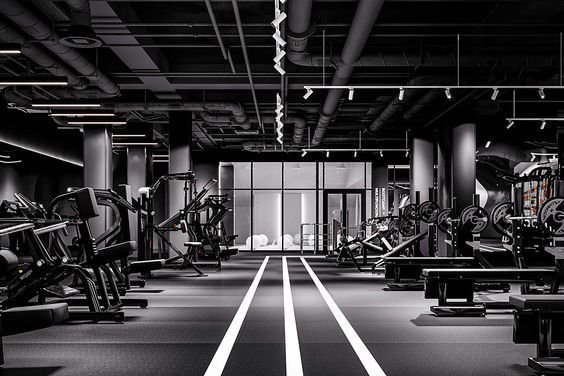
Gyms now emphasize design, ambience, and immersive experiences. Fitness spaces integrate strength zones with recovery lounges, ambient lighting, and biometric stations. Boutique studios create environments where training feels luxurious and exclusive.
Such spaces reinforce the idea that muscles are not just personal achievements but part of curated lifestyles.
The Revival of Alternative Fitness
Even as muscular physiques dominate, counter-movements emphasize diversity. Joyful fitness formats such as Jazzercise have experienced revivals, attracting younger generations who reject narrow ideals. These practices remind society that movement can exist outside of competition and aesthetic obsession.
The Future of Muscles as Status
Muscles will continue to serve as powerful status symbols in the years ahead. Their visibility, cultural capital, and symbolic weight ensure they remain central to fitness culture. Yet the future may see greater diversity in interpretation. Alternative fitness practices, inclusivity movements, and mental health awareness may soften the dominance of hyper-muscular ideals.
Competitive fitness will expand as a global spectacle, making muscularity even more public. Technology will push training into hyper-precision, linking muscular growth with data science. At the same time, social critique will demand a rebalancing toward holistic wellness and diverse body representation.
Conclusion
Gym culture has evolved into one of the defining social movements of the 21st century. Muscles stand as the new markers of success, embodying discipline, investment, visibility, and health. They serve as status symbols in both personal and collective spheres, shaping careers, communities, and industries.
However, this status comes with complexity. Narrow ideals, toxic behaviors, and psychological risks highlight the need for balance. The challenge ahead lies in celebrating strength while expanding definitions of health, inclusivity, and authentic self-expression.
Muscles will remain symbols of power and prestige, but their meaning will continue to evolve as society redefines what it values in the human body.
Also Read – Healthcare Turns Business: Greed Over Care